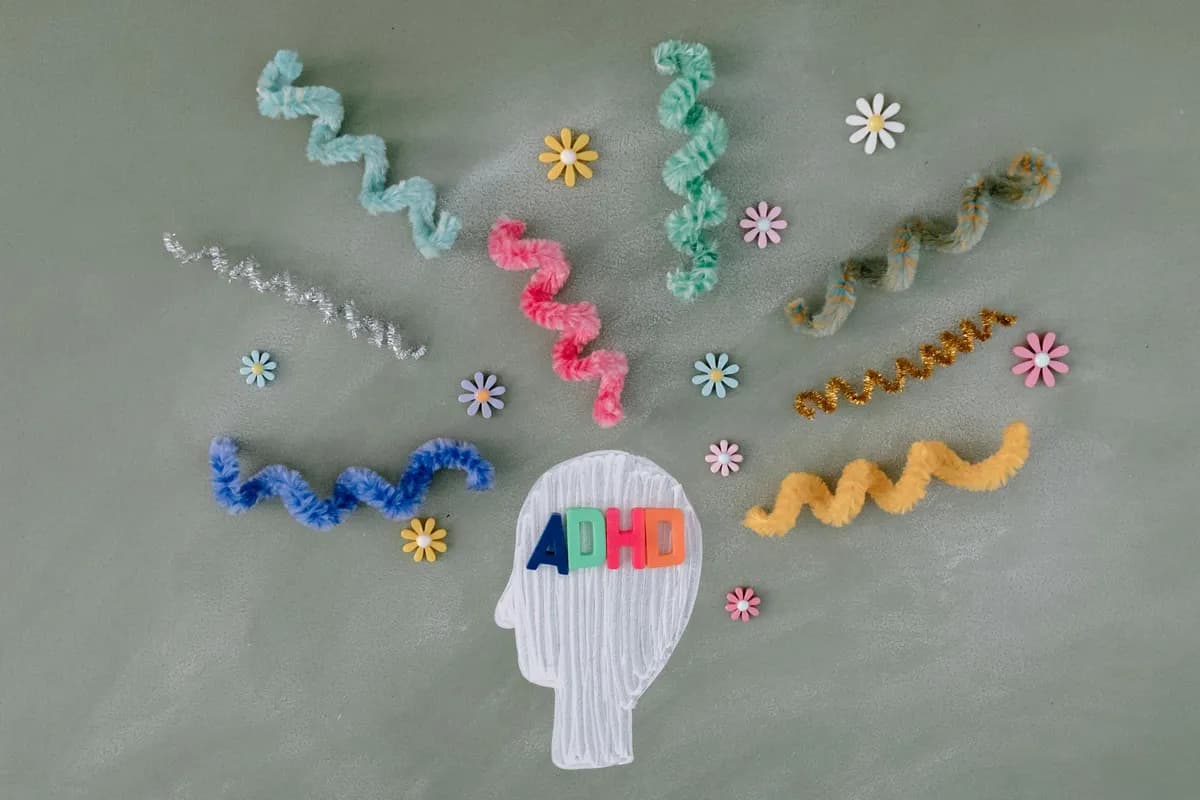
Is Homeschooling Better for Kids with ADHD? What Parents Should Know
Your ADHD child comes home from school defeated — again. Another note from the teacher about not sitting still. Another missing assignment they swear they turned in. Another recess taken away as punishment for behavior they can't fully control. You're watching your bright, creative kid slowly learn to hate learning.
If you're wondering whether homeschooling might be better for your child with ADHD, you're asking a question thousands of parents have asked before you. The short answer: for many ADHD kids, homeschooling is dramatically better. But it's not a magic fix, and it comes with its own challenges.
Here's an honest look at why homeschooling works well for ADHD, when it doesn't, and how to set it up for success.
Why Traditional School Often Fails ADHD Kids
Before talking about homeschooling, it helps to understand why school is so hard for kids with ADHD. It's not because these kids aren't smart — most are average or above average intelligence. It's because the school environment is designed in ways that directly conflict with how ADHD brains work:
Sitting still for long periods — ADHD brains need movement. Asking an ADHD child to sit at a desk for 6 hours is like asking a fish to climb a tree.
Waiting and transitions — Kids with ADHD spend enormous energy managing transitions between subjects, classes, and activities. Each transition is a point of failure.
One-pace instruction — A teacher with 25 students can't adjust the pace for each one. ADHD kids often grasp concepts quickly but need more time for sustained practice, or vice versa.
Executive function demands — Tracking assignments, organizing materials, remembering deadlines, managing a locker — these executive function tasks are precisely where ADHD creates the biggest struggles.
Punishment for symptoms — Losing recess for fidgeting. Detention for forgotten homework. These don't address the underlying issue and teach kids that their brain is the problem.
Why Homeschooling Often Works Better
Flexible Scheduling
ADHD kids have wildly inconsistent energy and focus throughout the day. Some are sharpest at 7 AM, others don't hit their stride until noon. At home, you can teach during your child's peak focus windows and schedule breaks when they need them — not when a bell rings.
A typical ADHD-friendly homeschool day might look like: 20 minutes of focused math, 15-minute movement break, 20 minutes of reading, snack and free play, then a hands-on project in the afternoon. The total academic time might only be 2-3 hours, but the quality of learning in those hours often exceeds a full school day.
Movement is Built In
At home, your child can bounce on a yoga ball while doing math, pace the room during read-alouds, do jumping jacks between subjects, or take the lesson outside entirely. There's no one telling them to "sit down and focus." Movement isn't a distraction — it's a focus tool.
One-on-One Instruction
A classroom teacher splits attention among 25+ students. At home, you're teaching one child (or a few). You can immediately tell when your child is losing focus and redirect. You can explain a concept three different ways in five minutes. You can skip what they already know and spend extra time on what they don't.
Reduced Sensory Overload
Classrooms are loud, bright, and full of social stimulation. For many ADHD kids (especially those with sensory processing differences), this environment is exhausting before any learning even begins. A quiet home environment reduces the sensory load, freeing up mental energy for actual learning.
No Homework Battles
One of the most stressful parts of school for ADHD families isn't the school day itself — it's the homework afterward. Your child already spent all their coping energy at school, and now they're expected to do more. At home, when school is done, it's done. No evening battles.
Strengths Get Nurtured
ADHD kids often have incredible strengths — creativity, hyperfocus on topics they love, out-of-the-box thinking, energy, enthusiasm. School rarely has time to nurture these. At home, you can build an entire unit study around your child's current obsession (dinosaurs, Minecraft, robotics, cooking) and watch them learn voraciously.
The Honest Challenges
Homeschooling an ADHD child isn't all sunshine. Here's what's hard:
You Become the Executive Function
At school, teachers and routines provide external structure. At home, that's you. You're the one tracking what needs to be done, keeping materials organized, managing the schedule, and redirecting focus. This is exhausting, especially if you also have ADHD (which is likely — ADHD is highly genetic).
Power Struggles
When your child resists schoolwork at home, there's no teacher to be the "bad guy." The parent-teacher dual role creates unique tension. Some days, teaching your ADHD child feels like negotiating with a tiny, irrational diplomat.
Emotional Regulation
ADHD often comes with big emotions — frustration over hard tasks, meltdowns when things don't go as expected, rejection sensitivity when they feel criticized. Managing these emotions during school time requires patience you may not always have.
Social Concerns
Some ADHD kids actually do well socially at school because they're energetic and fun. Pulling them out removes that social outlet. You'll need to actively create social opportunities — co-ops, sports, and group activities become essential, not optional.
Practical Strategies That Work
Use Short Lessons
A good rule of thumb: your child's age in minutes = maximum lesson length. An 8-year-old gets 8-minute lessons. A 12-year-old gets 12 minutes. Then take a break. This sounds absurdly short, but the learning density in those focused minutes is high.
Alternate Active and Passive
Never stack two sitting-still subjects back to back. Alternate: math (sitting) → movement break → read-aloud (lying on couch) → hands-on science → free play → writing (standing desk or floor). The variety keeps the brain engaged.
Use Timers, Not Nagging
ADHD kids respond better to external cues than verbal reminders. A visual timer (Time Timer is popular) shows how much time is left in a task. When the timer goes off, the task is done — whether they finished the page or not. This reduces power struggles enormously.
Lean Into Interests
ADHD hyperfocus is a superpower when directed at something the child cares about. If your child is obsessed with animals, use animal books for reading, animal population data for math, habitats for science, and conservation history for social studies. They'll learn twice as much in half the time.
Choose the Right Curriculum
ADHD-friendly curricula tend to be:
Hands-on: Manipulatives, experiments, projects over worksheets
Short-lesson based: Charlotte Mason-style curriculum works well (15-20 minute lessons)
Self-paced: Programs like Teaching Textbooks or Khan Academy let kids go at their own speed
Visually engaging: Beast Academy (comic-book math), Beautiful Feet Books (history through literature)
Low-prep: Your energy is finite. Choose curriculum that doesn't require hours of preparation. See our curriculum choosing guide for more options.
Create a Consistent Routine (Not a Rigid Schedule)
ADHD kids need predictability but rebel against rigidity. Create a routine that follows the same pattern daily (morning routine → first subject → break → second subject → lunch → afternoon activity) but be flexible about timing and duration. The pattern is the anchor; the details can flex.
Build in Physical Activity
Exercise isn't optional for ADHD — it's treatment. Research shows that 20-30 minutes of physical activity before focused work significantly improves ADHD symptoms. Start every school day with a bike ride, trampoline time, a run around the block, or a dance party. Then begin academics when the endorphins are flowing.
When Homeschooling Might Not Be the Best Fit
Homeschooling isn't right for every ADHD family. Consider sticking with (or returning to) school if:
The parent also has untreated ADHD and struggles significantly with the executive function demands of homeschooling
The parent-child relationship is already strained and adding the teacher role makes it worse
The child strongly wants to be in school and their social needs outweigh their academic struggles
A good IEP or 504 plan is in place and the school is genuinely implementing accommodations
The child has co-occurring conditions that need specialized support the parent can't provide
There's no shame in choosing school if it's the better option for your family right now. And there's nothing wrong with trying homeschooling and deciding to go back. For a broader perspective on homeschooling kids with special needs, see our special needs homeschooling guide.
Getting Started
If you're ready to try homeschooling your ADHD child:
Start with decompression. Your child needs time to recover from the stress of school. Don't jump straight into formal academics. Let them decompress for a few weeks. (See our mid-year start guide.)
Observe before planning. Spend a week watching when your child is most focused, what they gravitate toward, and how long they can sustain attention. This data will shape your approach.
Start simple. Math and reading, 30-60 minutes total. That's it. Build from there as you and your child find your rhythm.
Find your community. Connect with other homeschool families, especially those with ADHD/neurodivergent kids. They'll be your best source of curriculum recommendations and sanity. Browse homeschool groups on Hive to find local support.
Keep working with professionals. Homeschooling doesn't replace therapy, medication (if your child takes it), or occupational therapy. It complements them.
Your ADHD Child Isn't Broken
The school system was designed for neurotypical brains. When an ADHD child struggles in that system, the problem isn't the child — it's the mismatch between the child and the environment. Homeschooling lets you build the environment around the child instead of forcing the child into an environment that doesn't fit.
Your child's energy, creativity, curiosity, and intensity aren't deficits to be managed. They're strengths to be channeled. Homeschooling gives you the freedom to channel them.
Homeschool Hive
Homeschool Hive is a community marketplace where homeschool parents discover local homeschool groups, classes, and events all in one place. Get clear details, RSVP fast, and keep everything organized in one calendar you can actually trust.
